COATI with the itch, SOUTH AMERICAN COATI (NASUA NASUA), BROWN-NOSED COATI, QUATI-DE-CAUDA-ANELADA.
233 views · Published 3 August 2015 · 1:04 · Indexed 25 October 2026
Channel: Fauna and Flora · 2015 · Pets & Animals
#forestecosystems #southamericancoati #quatidecaudaanelada - (Wild Animals - Family In its Natural Habitat - Habitats: Inhabitants of Tropical Forests, Cerrado, Caatinga, gallery Forests, as well as Mountainous areas and Savannas. They are found both on the ground and high in the trees - Brazilian Biodiversity!)

Coati and/or South American coati. Scientific name: Nasua nasua, Brazilian name: Quati-de-cauda-anelada. Class: Mammalia, Order: Carnivora, Family: Procyonidae. Food: Omnivorous (Fruits, insects, larvae, arthropods (chilopods, spiders), small vertebrates, may include unusual items such as snakes, crustaceans and fish. Geographical distribution: Occurs in America, from Arizona, in the United States, to the north from Argentina.

+ Watch the video, like, share, and subscribe to the channel for more incredible images of nature and wildlife!

#coati #quati #nasuanasua #procyonidae #wildanimalsaroundtheworld #bellezzaselvaggia #procyonidaearoundtheworld #animalsintheworld #conservingwildlife #focusonnature #conservazioneambientale #conservationdelafaunesalvage #beautésauvage #vivredanslanature #lebenindernatur #vivendoanatureza #wildeschönheit
More from this channel
-
 1:11
TAPIR male (TAPIRUS TERRESTRIS), ANTA-BRASILEIRA, ANTA, Wild animals on the road.
-
 2:25
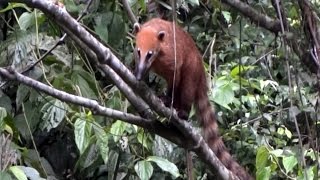
COATI, SOUTH AMERICAN COATI (NASUA NASUA), BROWN-NOSED COATI, QUATI, QUATI-DE-CAUDA-ANELADA.
-
 0:58
GREEN-BARRED WOODPECKER drinking water (COLAPTES MELANOCHLOROS), PICA-PAU-VERDE-BARRADO.
-
 1:30
Red-and-green Macaw Visit the Riparian Forest in Search food (Ara chloropterus) Arara-vermelha
-
 1:32
Tanager, Swallow Tanager, Tersina viridis,Thraupidae,
-
 1:38
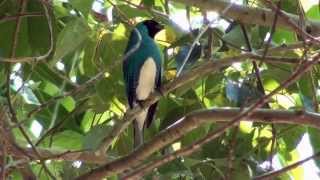
Swallow Tanager, Thraupidae, Tersina viridis, Tanager, Wild birds,
-
 1:03
GREEN-BARRED WOODPECKER Sounds (COLAPTES MELANOCHLOROS), PICA-PAU-VERDE-BARRADO.
-
 1:26
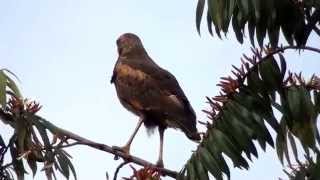
SAVANNA-HAWK young (HETEROSPIZIAS MERIDIONALIS), GAVIÃO-CABOCLO, BIRDS OF PREY.