HONEY BEES (APIS MELLIFERA), ABELHA-EUROPEIA, Worker collecting pollen and nectar to make honey.
204 views · Published 19 January 2016 · 1:27 · Indexed 14 November 2026
Channel: Fauna and Flora · 2016 · Pets & Animals
#naturalecosystems #honeybees #abelhaeuropeia  - (Honey bees - In their Natural Territory - Collecting Nectar and Pollen from Flowers of Native Trees of the Brazilian Cerrado - Habitats: Tree Trunk Cavities - They live in natural environments such as: forest edges, clearings, woodlands, savannas, mountainous areas and open fields. They prefer habitats that offer a great abundance of flowers for nectar and pollen collection, with sources close to aquatic niches and safe places for reproduction!)

Honey bees. Scientific name: Apis mellifera, Brazilian name: Abelha europeia. Class: Insecta, Order: Hymenoptera, Family: Apidae. Food: Honey and pollen. Geographical Distribution: The western common bee is native to Asia and Europe and was introduced to America by the English and Spanish.
NOTE: The European bee lives in permanent colonies (which can be artificial or natural), formed by a «queen» or «master bee» (at most, and exceptionally, two), workers (between 10,000 and 15,000) and between 500 and 1,500 drones, which are males. Females differ from drones (males) by having a stinger.(Bees - In their Natural Territory - Collecting Nectar and Pollen from Flowers of Native Trees of the Brazilian Cerrado)

+ Watch the video, Like, Share and Subscribe to the Channel for more amazing videos about Brazilian Fauna and Nature!

#apismellifera #insecta #apidae #polinizadores #poisonousinsects #beehoney #apidaearoundtheworld #worldofinsects #melíferas #environmentalpreservation #plantpollinators #conservazioneambientale #conservazionedellanatura #viverenellanatura #focusonnature #beautésauvage
More from this channel
-
 1:11
TAPIR male (TAPIRUS TERRESTRIS), ANTA-BRASILEIRA, ANTA, Wild animals on the road.
-
 2:25
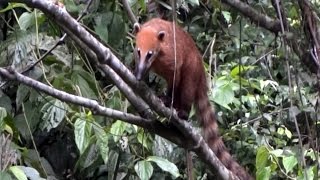
COATI, SOUTH AMERICAN COATI (NASUA NASUA), BROWN-NOSED COATI, QUATI, QUATI-DE-CAUDA-ANELADA.
-
 0:58
GREEN-BARRED WOODPECKER drinking water (COLAPTES MELANOCHLOROS), PICA-PAU-VERDE-BARRADO.
-
 1:30
Red-and-green Macaw Visit the Riparian Forest in Search food (Ara chloropterus) Arara-vermelha
-
 1:32
Tanager, Swallow Tanager, Tersina viridis,Thraupidae,
-
 1:38
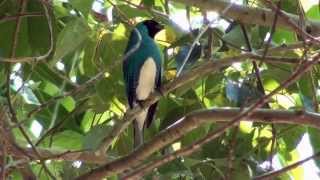
Swallow Tanager, Thraupidae, Tersina viridis, Tanager, Wild birds,
-
 1:03
GREEN-BARRED WOODPECKER Sounds (COLAPTES MELANOCHLOROS), PICA-PAU-VERDE-BARRADO.
-
 1:26
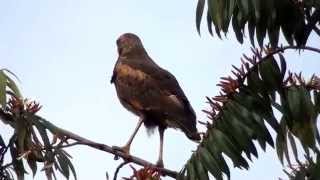
SAVANNA-HAWK young (HETEROSPIZIAS MERIDIONALIS), GAVIÃO-CABOCLO, BIRDS OF PREY.