ROHINGYA CRISIS | "They couldn't get any food or water"
859 views · Published 22 November 2017 · 0:39 · Indexed 20 October 2026
Channel: Médecins Sans Frontières/Doctors Without Borders · 2017 · Nonprofits & Activism
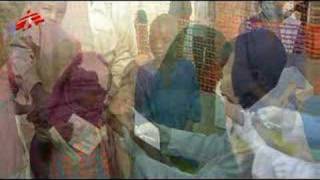
Sharmin Shila, MSF Medical Assistant, in MSF's Kutupalong clinic, Bangladesh.

Since 25 August, over 620,000 Rohingya refugees have crossed the border from Myanmar into Bangladesh. Their arrival comes on top of hundreds of thousands of other Rohingya who arrived in previous years and were already living in difficult conditions. MSF has significantly scaled up its medical, water and sanitation efforts in support of the growing population.

The makeshift settlements are densely populated; and living conditions remain precarious. Significant efforts are needed to reduce the population density. If the situation doesn’t improve, there is the potential of a public health emergency.

Access to food distribution, water and sanitation, and healthcare facilities has become increasingly difficult for new arrivals and people settled further in the camps. Humanitarian aid agencies need to work in a coordinated effort to ensure an even allocation of resources reaching the population far and wide.

Médecins Sans Frontières (MSF) is an international, independent, medical humanitarian organisation that delivers emergency aid to people affected by armed conflict, epidemics, natural disasters and exclusion from healthcare.

SUBSCRIBE HERE: http://bit.ly/15M9M8v

Help us caption & translate this video!

https://amara.org/v/clmc/
More from this channel
-
 2:12
Myanmar Family Story
-
 4:13
Diagnosing and treating malaria in Sierra Leone.
-
 3:19
Niger Measles Outbreak 2007
-
 2:57
Food distribution in Niger
-
 5:08
Malaria in Uganda
-
 10:02
MSF report on the worsening situation in southern Sudan
-
 2:24
Setting up the Endebess displaced peoples camp, Kenya
-
 2:21
MSF Report: Bombing and attacks in west Darfur