Understanding Rajasthan through its Agrarian zones
1,373 views · Published 7 September 2017 · 22:20 · Indexed 1 November 2026
Channel: Sahapedia · 2017 · Education
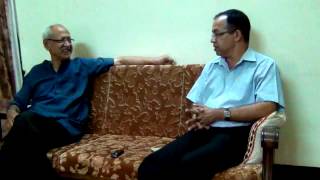
komal Kothari speaks about the historical processes that shaped the philosophy of the Rupayan Sansthan. It initially worked towards documenting oral traditions of western Rajasthan. By the 1970s however the Rupayan Sansthan was engaged in conducting a more rigorous ethnography of social groups in the region. For instance, while documenting the oral epics in Rajasthan Kothari found that they were layered with dense descriptions of fantastical and mythical elements. Probing further, and relying primarily on the approach of the french anthropologist Claude levi Strauss, Kothari was able to separate the description of the natural ecology form the super natural elements. This way he was able to locate particular cultural practices within specific ecological zones. These were later categorised as the agrarian zones of Rajasthan comprising maize (makka), pearl millet (bajra) and sorghum(jowar).
More from this channel
-
 11:18
Practices and Rituals: Maha Kumbh Prayag 2013
-
 4:13:55
Oral History
-
 37:52
Visual and Material Arts: On Ajrakh in conversation with Ismail Mohammed Khatri
-
 53:56
Literature and Languages: Damodar Mauzo and José Lourenço on Konkani Literature
-
 3:36:23
Oral History: Sufi practitioner Khwaja Rashid Khanooni (in conversation with Yousuf Saeed)
-
 33:46
Oral History: Madhup Mudgal (Audio Interview)
-
 30:40
Built Spaces: Thanjavur as Temple Town: Prof. Champakalakshm
-
 11:23
Histories: Romila Thapar on The Pattanam Excavations