Kidney Stones Like It Hot
1,503 views · Published 7 September 2014 · 1:43 · Indexed 27 October 2026
Channel: Lee Health · 2014 · Science & Technology
Doctors have long known of the link between heat and kidney stones. Now a new study shows how warm weather outside contributes to what goes on inside us.

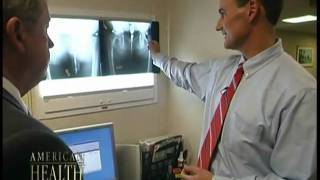
“Because we’re in the south, because of dehydration, because of diet, stones are a very common thing we see,” says Dr. Blake Evans, who is a urologist on medical staff of Lee Memorial Health System.

Latest research looked at the relationship between number of hot days in a year and the risk of kidney stones. It found that as temps rose, so did the number of people seeking treatment. Peaking within three days after exposure to high heat. And it doesn’t seem to be the heat itself.

“The most common cause of stones is dehydration. There are other issues that are more specific to each person and how they process minerals in the blood, but dehydration is the number one factor,” says Dr. Evans.

The hotter the weather, the more water we need. Doctors recommend at least two liters, or 8 cups a day. Being dehydrated can lead to a higher concentration of calcium and other minerals. Other aspects of our diet may also sap our fluids.
“In addition a high salt diet as well as high animal protein diet can also lead to propensity to form stones. So we commonly will recommend drink plenty of water, low
salt diet, low animal protein to anyone who comes in with first episode of stones,” says Dr. Evans.

About half a million Americans go to emergency rooms each year because of kidney stones. So when the heat is on- it pays to cool off- and refresh.
View More Health Matters video segments at leememorial.org/healthmatters/

Lee Memorial Health System in Fort Myers, FL is the largest network of medical care facilities in Southwest Florida and is highly respected for its expertise, innovation and quality of care. For nearly a century, we’ve been providing our community with everything from primary care treatment to highly specialized care services and robotic assisted surgeries.

Visit leememorial.org
More from this channel
-
 4:02
Joint Replacement Surgery to Treat Pain
-
 3:58
Robot Assisted Surgery
-
 3:59
Whole Body Cooling in Neonatal Patients
-
 3:35
Rotator Cuff Injury, Disease, and Repair
-
 1:39
Pediatric Sleep Medicine
-
 1:49
Friendship While Fighting Breast Cancer
-
 2:03
Stroke: Know Your Risk Factors
-
 1:48
Oncology: Treatment of Lymphedema in Breast Cancer Patients