How can diabetes affect a woman and her baby before, during, and after pregnancy?
1,940 views · Published 28 June 2018 · 2:14 · Indexed 24 October 2026
Channel: IntermountainParents · 2018 · Education
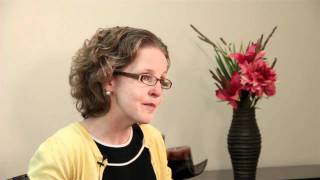
If you might be pre-diabetic, or if you know that you have type 1 or type 2 diabetes, it's really important to talk with your doctor before trying to have a baby. It's super important to make sure that your blood sugars are tightly controlled while you're trying to conceive and throughout the pregnancy. If blood sugars are uncontrolled, then it puts you and the baby at risk.

For the baby, it increases the chances of them having congenital anomalies, or basically, things don't form like they should when a mom's blood sugars are out of control during pregnancy. It also increases the chances of the baby being larger than they should. Or in cases where the mother has preexisting vascular disease due to diabetes, it can actually make it so the baby doesn't grow as big as they should, and they're smaller than they should be. It also increases their chances of having complications after delivery and having a problem with blood sugar control. And in the long term, there is strong research to show that offspring of women with diabetes are more likely to have it in the future, and to be obese, and have complications themselves later in life.

As far as during the pregnancy, a woman is at greater risk for miscarriage, and this is likely due to the fact that if congenital anomalies are present, miscarriage is more likely to happen. It also puts the woman at greater risk for developing preeclampsia. There's also the possibility that there could be too much fluid inside of the uterus, which can cause complications. It also puts the mother at risk for delivering prematurely and also needing a C-section.

So all of these are really good reasons to make sure that your blood sugar is well-controlled before you conceive. Really, it's just a good idea to see your doctor anyway (diabetes or not) to make sure that you're optimally healthy going into a pregnancy before you even try to conceive. They can ask you more specific questions about your current lifestyle, health history, past pregnancy history, determine what risk factors you have, decide if anything needs to be managed before you get pregnant, and then give you tailored information and advice. Good luck with everything, and if you have more questions in the future for me, feel free to ask them on our Facebook page at http://www.facebook.com/IntermountainMoms, and recommend us to your friends and family too.
More from this channel
-
 1:31
How can I prepare for an unmedicated childbirth experience?
-
 0:32
Intermountain TV_Miraculous.mov
-
 0:51
How is a post-term pregnancy handled?
-
 0:55
How do I tell the difference between true and false labor?
-
 1:20
How much exercise, and what kinds, can I do during pregnancy?
-
 0:44
Should I use an epidural during childbirth?
-
 0:50
What increases my newborn's risk of neonatal sepsis, and how can I prevent it?
-
 1:02
Should I have the maternal serum quadruple test?