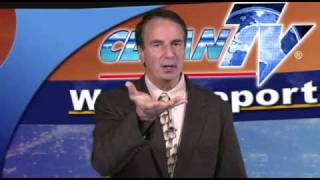
Oil to Soar as Iran Talks Fail
467 views · Published 1 June 2012 · 5:02 · Indexed 25 October 2026
Channel: CleanTVcom · 2012 · News & Politics
Enjoy watching any of hundreds more videos at: http://www.CleanTV.com

Because of geopolitical concerns in the Middle East, the price of West Texas intermediate crude oil was overbought by the end of February, 2012. Due to an impending embargo, exports of oil from Iran dropped approximately 200,000 barrels per day. This forced Iran to the negotiation table, and shrunk the Middle East war premium.

A chain of events put pressure on the price of oil. The European economy slowed because of the European debt crisis. China's economy also slowed. An increase in oil production in Saudi Arabia, Iraq, U.S. and Canada offset the decline in Iranian exports. In the month of May WT I dropped approximately 14%, from $105 to $90. Crude oil traders shorting the market made a nice profit during this correction. However, oil is now in an oversold condition, and short positions will now get squeezed.

A breakdown in June 18 negotiations in Moscow, with Iran and the five UN Security Council nations, plus Germany, will cause a return of the war premium on crude oil. On July 1, 2012, the full force of the European and US embargo on Iran's oil goes into effect. Iran could lose up to 1 million barrels per day of oil exports. While Asian nations such as China, India, Japan and South Korea may be willing to import Iranian crude, they will have a difficult time obtaining insurance for tankers. China and India may use sovereignty insurance, but oil exports to other Asian nations from Iran are likely to drop dramatically this summer.

In addition Saudi Arabia will increase their internal consumption by 700,000 barrels per day of crude during the summer, because of air-conditioning use. Japan will need extra crude this summer because of a moratorium on nuclear power stations. Increased driving, air conditioning, and a reversal of the Seaway pipeline from Oklahoma to the Texas Gulf, will cause a drawdown of US crude supplies this summer.

Persian Gulf oil officials have reported, the United States is pressing Saudi Arabia to boost oil output to fill a likely supply gap arising from sanctions on Iran. However, Saudi Arabia is already producing more than usual to make up for the drop in Libya oil production. The Saudis have said they would offset any drop in Iranian oil by increasing their own, but many analysts including Goldman Sacks, question Riyadh's capacity to do so completely, or for a sustained period of time.

The US and Europe have discussed releasing strategic reserves to offset declining Iran oil, but most likely China would gobble-up any strategic reserves the West released to lower the price of oil. China has nearly finished the first phase of increasing its strategic petroleum reserve capacity by 100 million barrels.

While an increase in Saudi production could push down prices, some traders and investors believe it could also have the opposite effect. As Saudi spare capacity decreases they argue, the oil market will build in a greater risk premium as traders fear there will be no buffer should there be further disruption. Riyadh has used its spare capacity several times during the past decade to ease market conditions. But the challenge for Saudi Arabia is greater this time. The kingdom is already pumping at its highest level in 30 years, producing almost 10 million barrels per day to offset disruptions to production in South Sudan, Syria and Yemen, and strong demand for crude in Asia.

Oil traders and analyst at Barclays Capital in London believe Riyadh will need to boost production by at least 500,000 barrels per day to offset the decline in Iranian exports. The combination of strong summer domestic demand, and a shortfall in Iranian exports, could push Saudi production above 11 million barrels per day. This would signal that short-term spare capacity would be nearly exhausted. If war broke out in the Gulf, Saudi production could be bottled up at the Strait of Hormuz choke point. This summer's oil market may get very hot before the summer is over. A spike in the world price of oil may expose President Obama's green energy program to the harsh realities of the real market, and throw the United States into a recession. This could dash his hopes of re-election.

Enjoy watching any of hundreds more videos at: http://www.CleanTV.com ...and view more videos on our website at: http://Clean.TV
More from this channel
-
 5:04
Stephen Baldwin: Values Voters
-
 4:36
FBI: ACORN workers violated election laws, committed voter fraud
-
 2:06
Obama gives $400 million to Palestinian terrorists
-
 1:36
Calls mount for U.S. Rep. Mark Kirk to quit the U.S. Senate race for Obama's old Senate seat.
-
 1:11
Is Israel an asset or a liability to the United States?
-
 3:05
Clerk: Barack Obama Not born in Hawaii!
-
 4:26
Barack Obama Botches Prime Time Oil Address to Nation
-
 1:05
Somalia Muslims Murder Men for watching World Cup instead of Waging Jihad