Children and Autism, Part 2: Resources for the Family
390 views · Published 13 October 2017 · 3:29 · Indexed 6 November 2026
Channel: IntermountainParents · 2017 · Education
NURSE DANI: So what about the age when children can be diagnosed with autism? What's the earliest it can be diagnosed? When might you start to notice some of these things at home if it's a problem?

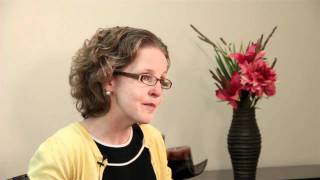
CATHERINE STRASSER: Definitely by 18 months. Historically, children were diagnosed much later, maybe between ages 3 and 5. And our emphasis, as general pediatricians, is to try to pick up those children that are not meeting those developmental milestones earlier, because there has been good data and research to show us that the earlier we can intervene, the better longterm outcome those children have. So it's really important, as parents and as pediatricians, to be proactively looking for children who may not meet your typical developmental pattern and make sure that if they don't meet those milestones, that we're getting appropriate services for that family and that child.

ND: So I like what you said. You said get services for the family as well, because the child, or course, is going to need therapy and resources, but the parents - that can be a really hard thing for them to accept. What sorts of resources are available for parents who are coping with a child that's been newly diagnosed with autism? Sometimes I've talked to a lot of friends in the past who suspect it, but  then once they actually hear it, it's traumatizing to them, because they just hoped that that wasn't the case. So is there a support group or a resource group for parents so that they can understand life goes on and they can have tools?

CS: There definitely are. There are quite a few general family support groups in this area. Specific to autism, there are a number throughout the state, and your pediatrician can help you find those resources. Or in our office, we have a packet of resources that we can provide families with. In general, our practice specifically has a group of families that meets together regularly called Super Kid Families, for families of super kids. And they are typically families that have more complex medical needs in a particular child or maybe multiple children in their family, and so we provide some of those support services through our group that meets with other families. They do a big conference once a year, and they have usually a monthly meeting or activity that's both educational and social for families to reach out and connect with other families to network in our community and find what resources may work for their child or their family.

ND: Oh, that's so powerful. There's nothing else like talking with other families going through the same thing, finding out what works for them, maybe just being able to cry on each others' shoulders, or celebrate progression and successes that your child is having.

CS: Oh, I agree with that. It's a really dramatic effect for families when they can reach out and see that there are other families who are dealing with similar issues, as well as for siblings too. I think it's important to remember them. For example, I met with a family this last week that has a wonderful autistic child that's very talented and has some really great strengths, but the siblings are learning how to interact with him in a school level and explain that child's behavior to their peers. And we're really working with that family on developing some of those skills right now.
More from this channel
-
 1:31
How can I prepare for an unmedicated childbirth experience?
-
 0:32
Intermountain TV_Miraculous.mov
-
 0:51
How is a post-term pregnancy handled?
-
 0:55
How do I tell the difference between true and false labor?
-
 1:20
How much exercise, and what kinds, can I do during pregnancy?
-
 0:44
Should I use an epidural during childbirth?
-
 0:50
What increases my newborn's risk of neonatal sepsis, and how can I prevent it?
-
 1:02
Should I have the maternal serum quadruple test?