NI Reaktor - How to build a Scrolling Oscilloscope - How To Tutorial
4,472 views · Published 17 August 2013 · 10:04 · Indexed 27 September 2026
Channel: ADSR Music Production Tutorials · 2013 · Music
In this member video tutorial, Salamanderanagram demonstrates how to create a scrolling oscilloscope in Reaktor. Oscilloscopes can be incredibly useful, but Reaktors built-in scopes are not the greatest. Needless to say, they leave a lot to be desired. Thankfully, we can easily build a scrolling oscilloscope of our own.

For more great tutorials check out http://www.NIReaktor.com

Salamanderanagram's Scrolling Oscilloscope uses Reaktor's audio table module to display the output of the audio waveform. Using a couple different modules (Ramp OSC, Audio Table, and a pair of System Infos) and some basic math, this Oscilloscope is both better than Reaktor's built-in scope and super easy! The great part of building your own scope, is that you can easily modify it to adapt to any personal need.

We hope that you enjoyed this video tutorial. Reaktor can be challenging, but the more you work with it the easier it becomes. After enough practice you will find yourself capable of building your dream ensembles! Stick with it and enjoy the challenge.

This video, along with most of our videos, was member requested. If you like these tutorials and would like to see more, please check out http://www.NIReaktor.com
More from this channel
-
 13:58
NI Kontakt - Features Review - pt 2: The Kontakt Options Window - How To Tutorial
13:58
NI Kontakt - Features Review - pt 2: The Kontakt Options Window - How To Tutorial
-
 11:06
Reaktor - Using the Ducking Features of the MSMAX Ensemble by Twisted Tools - How To Tutorials
11:06
Reaktor - Using the Ducking Features of the MSMAX Ensemble by Twisted Tools - How To Tutorials
-
 9:50
Reaktor - Scale and Key Filtering Macro - How To Tutorial
9:50
Reaktor - Scale and Key Filtering Macro - How To Tutorial
-
 1:19
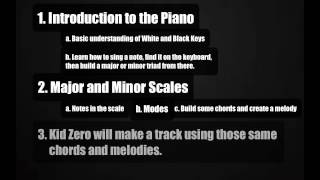
Music Theory For Electronic Music Producers - Teaser 3
1:19
Music Theory For Electronic Music Producers - Teaser 3
-
 6:58
Zebra 2 - Basic Overview - pt 2 - The Matrix - How To Tutorial
6:58
Zebra 2 - Basic Overview - pt 2 - The Matrix - How To Tutorial
-
 17:03
FM8 - Hardstyle - pt 2 - Kick Transient, Bass layering, volume shaping - How To Tutorial
17:03
FM8 - Hardstyle - pt 2 - Kick Transient, Bass layering, volume shaping - How To Tutorial
-
 13:13
FM8 - Hardstyle - pt 4 - Arpeggiator Design - How To Tutorial
13:13
FM8 - Hardstyle - pt 4 - Arpeggiator Design - How To Tutorial
-
 19:46
Kontakt - Progressive House With Sounds Sampled - pt 1 - How To Tutorial
19:46
Kontakt - Progressive House With Sounds Sampled - pt 1 - How To Tutorial