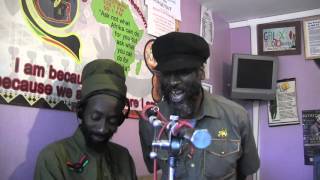
THE AFRICAN SCIENCE OF STORYTELLING. ANANSE. PRIEST ISAAC. RADIO ANU
1,785 views · Published 16 March 2018 · 1:07:39 · Indexed 14 November 2026
Channel: Priest Isaac · 2018 · Education
Radio Anu

http://www.radioanu.com/

Call/whatsapp: 1-268-728-3162
email: [email protected]

For centuries, the history, beliefs and folklore of West African communities have been kept alive through the tradition of music and oral storytelling. Stories have been passed through the ages by Griots, also called Jalis, who are musicians, poets and historians.

K-12 and community college educators can experience modern-day griots firsthand at the opening plenary of World View’s spring seminar, Stories of Africa: Connected Over Time and Across the Globe (March 29-30).  The Shabatuso family of griot artists will kick off an Africa immersion focused on exploring the richness of the African continent and its interconnectedness through time and around the world.

Dating back to the 13th century, the role of the Griot originated in the Mande Empire (present-day Mali). Griots had important and multifaceted duties as musicians, genealogists, advisers, teachers, interpreters and historians, responsible for preserving the ancestral records of entire communities through oral storytelling. Griots were highly respected members of society, and their role evolved into a hereditary social caste. The position was passed from parent to child, like an apprenticeship. If you were born into a Griot family, you would begin training from a young age to learn hundreds of songs and stories, spending years of preparation memorizing the records of births, deaths and marriages through the generations of your village and family. Griots told their stories through music, using accompanying instruments such as the balafon, ngoni or the kora
More from this channel
-
 2:12
Hon Priest Isaac 2015 International lectures
-
 18:10
Hon. Priest Isaac w/ Niko Royal on Galaxy Radio London
-
 3:27
Who built Stonehenge England? Hon.Priest Isaac
-
 1:21
Hon. Priest Isaac 'In the Tiger's Nest'( With the Tigers)
-
 2:40:09
Dr. Claud Anderson(Black Economics) Mystic Vibrations 4 Hon Priest Isaac
-
 1:07
NEW PROGRAM!!! The Black Christ Agenda. Hon.Priest Isaac. EABIC.
-
 1:50:36
The Dangers of Pornography addiction !!! Mystic Vibration 8. Hon. Priest Isaac.
-
 1:03:08
London Youths counselled on "State of The Black Nation". Mystic Vibration 12, Hon. Priest Isaac.