Human blood composition
362 views · Published 5 August 2015 · 3:06 · Indexed 4 November 2026
Channel: Nikolay's Genetics Lessons · 2015 · Education
Plasma
Main article: Blood plasma
About 55% of blood is blood plasma, a fluid that is the blood's liquid medium, which by itself is straw-yellow in color. The blood plasma volume totals of 2.7–3.0 liters (2.8–3.2 quarts) in an average human. It is essentially an aqueous solution containing 92% water, 8% blood plasma proteins, and trace amounts of other materials. Plasma circulates dissolved nutrients, such as glucose, amino acids, and fatty acids (dissolved in the blood or bound to plasma proteins), and removes waste products, such as carbon dioxide, urea, and lactic acid.

Other important components include:

Serum albumin
Blood-clotting factors (to facilitate coagulation)
Immunoglobulins (antibodies)
lipoprotein particles
Various other proteins
Various electrolytes (mainly sodium and chloride)
The term serum refers to plasma from which the clotting proteins have been removed. Most of the proteins remaining are albumin and immunoglobulins.
More from this channel
-
 5:53
Gene expression
-
 9:07
What are the Light and Heavy strands of DNA?
-
 17:08
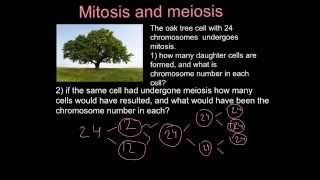
Mitosis and meiosis
-
 14:48
Haplodyploidy in honeybees
-
 7:12
Single stranded DNA
-
 4:51
How message RNA is read: duplets, triplets or tetraplets?
-
 4:11
Gregor Mendel, questions and facts
-
 8:21
Сongenital baldness inheritance in birds ZZ/ZW