Gene expression
1,185 views · Published 16 June 2013 · 5:53 · Indexed 28 September 2026
Channel: Nikolay's Genetics Lessons · 2013 · People & Blogs
Gene expression is the process by which information from a gene is used in the synthesis of a functional gene product. These products are often proteins, but in non-protein coding genes such as rRNA genes or tRNA genes, the product is a functional RNA. The process of gene expression is used by all known life - eukaryotes (including multicellular organisms), prokaryotes (bacteria and archaea) and viruses - to generate the macromolecular machinery for life.
Gene structure and gene expression in higher organisms

Several steps in the gene expression process may be modulated, including the transcription, RNA splicing, translation, and post-translational modification of a protein. Gene regulation gives the cell control over structure and function, and is the basis for cellular differentiation, morphogenesis and the versatility and adaptability of any organism. Gene regulation may also serve as a substrate for evolutionary change, since control of the timing, location, and amount of gene expression can have a profound effect on the functions (actions) of the gene in a cell or in a multicellular organism.

In genetics gene expression is the most fundamental level at which genotype gives rise to the phenotype. The genetic code is "interpreted" by gene expression, and the properties of the expression products give rise to the organism's phenotype.
More from this channel
-
 17:08
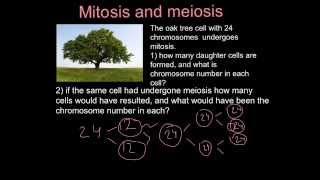
Mitosis and meiosis
17:08
Mitosis and meiosis
-
 4:38
Mendelian genetics, Punnett square problem solving (beginning level)
4:38
Mendelian genetics, Punnett square problem solving (beginning level)
-
 4:18
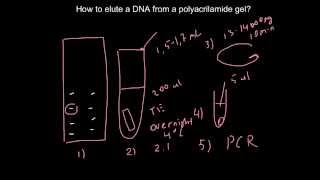
Easy way how to elute a DNA from a polyacrilamide gel
4:18
Easy way how to elute a DNA from a polyacrilamide gel
-
 7:24
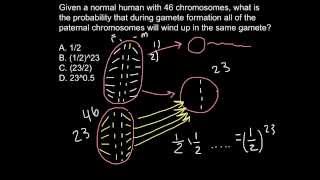
What is a probability for only paternal chromosomes to be inherited by the gamet?
7:24
What is a probability for only paternal chromosomes to be inherited by the gamet?
-
 6:08
What is stabilizing selection?
6:08
What is stabilizing selection?
-
 5:58
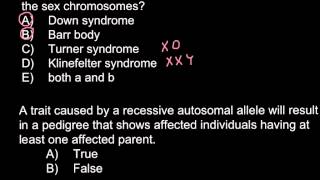
Which Genetic disease caused by nondisjunction of Chromosomes?
5:58
Which Genetic disease caused by nondisjunction of Chromosomes?
-
 11:51
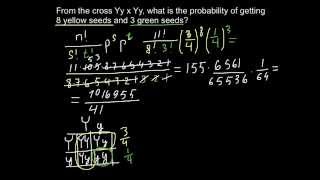
Factorial method and Genetics
11:51
Factorial method and Genetics
-
 17:11
Selection against homozygous recessive genotype
17:11
Selection against homozygous recessive genotype