Primers, Okazaki fragments, mRNA, nicks, DNA Supercoiling
353 views · Published 14 August 2017 · 23:44 · Indexed 31 October 2026
Channel: Nikolay's Genetics Lessons · 2017 · Education
In molecular biology, DNA replication is the biological process of producing two identical replicas of DNA from one original DNA molecule. This process occurs in all living organisms and is the basis for biological inheritance. The cell possesses the distinctive property of division, which makes replication of DNA essential.
DNA is made up of a double helix of two complementary strands. During replication, these strands are separated. Each strand of the original DNA molecule then serves as a template for the production of its counterpart, a process referred to as semiconservative replication. Cellular proofreading and error-checking mechanisms ensure near perfect fidelity for DNA replication.
More from this channel
-
 5:53
Gene expression
-
 9:07
What are the Light and Heavy strands of DNA?
-
 17:08
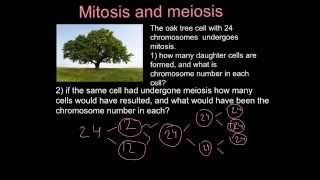
Mitosis and meiosis
-
 14:48
Haplodyploidy in honeybees
-
 7:12
Single stranded DNA
-
 4:51
How message RNA is read: duplets, triplets or tetraplets?
-
 4:11
Gregor Mendel, questions and facts
-
 8:21
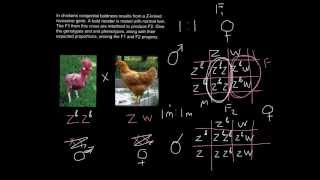
Сongenital baldness inheritance in birds ZZ/ZW