How influenza virus enters the host cell
1,574 views · Published 19 March 2018 · 13:21 · Indexed 24 September 2026
Channel: Nikolay's Genetics Lessons · 2018 · Education
Viruses are obligate intracellular parasites: they cannot reproduce outside of a cell. The production of new infectious particles must take place within a cell. Upon entering cells, viruses parasitize the host machinery to produce new viral progeny. The sum total of all the events that take place in a virus-infected cell is called the infectious cycle, or viral replication. Virologists artificially divide the infectious cycle into steps to make it easier to study. The steps include attachment and entry of the virion, translation of mRNA into protein, genome replication (producing more RNA or DNA), assembly of new particles, and release of particles from the cell. We’ll consider each of these steps, and then move on to a discussion of how influenza virus infects us and causes disease.
More from this channel
-
 4:38
Mendelian genetics, Punnett square problem solving (beginning level)
4:38
Mendelian genetics, Punnett square problem solving (beginning level)
-
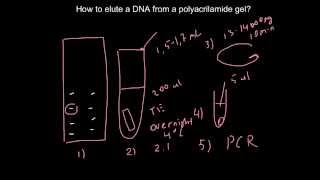 4:18
Easy way how to elute a DNA from a polyacrilamide gel
4:18
Easy way how to elute a DNA from a polyacrilamide gel
-
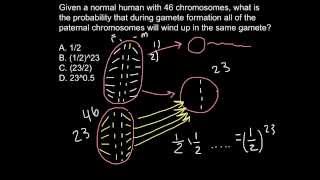 7:24
What is a probability for only paternal chromosomes to be inherited by the gamet?
7:24
What is a probability for only paternal chromosomes to be inherited by the gamet?
-
 5:58
Which Genetic disease caused by nondisjunction of Chromosomes?
5:58
Which Genetic disease caused by nondisjunction of Chromosomes?
-
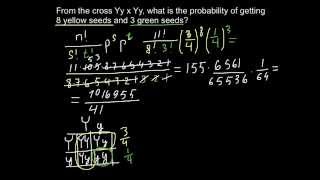 11:51
Factorial method and Genetics
11:51
Factorial method and Genetics
-
 17:11
Selection against homozygous recessive genotype
17:11
Selection against homozygous recessive genotype
-
 4:10
Sickle cell anemia - multiple choice questions
4:10
Sickle cell anemia - multiple choice questions
-
 13:20
Could calico cats be male?
13:20
Could calico cats be male?