How genes segregate in meiosis
285 views · Published 7 July 2014 · 6:00 · Indexed 8 November 2026
Channel: Nikolay's Genetics Lessons · 2014 · Education
Recombination is a process by which pieces of DNA are broken and recombined to produce new combinations of alleles. This recombination process creates genetic diversity at the level of genes that reflects differences in the DNA sequences of different organisms.

In eukaryotic cells, which are cells with a nucleus and organelles, recombination typically occurs during meiosis. Meiosis is a form of cell division that produces gametes, or egg and sperm cells. During the first phase of meiosis, the homologous pairs of maternal and paternal chromosomes align. During the alignment, the arms of the chromosomes can overlap and temporarily fuse, causing a crossover. Crossovers result in recombination and the exchange of genetic material between the maternal and paternal chromosomes. As a result, offspring can have different combinations of genes than their parents. Genes that are located farther apart on the same chromosome have a greater likelihood of undergoing recombination, which means they have a greater recombination frequency.
More from this channel
-
 5:53
Gene expression
-
 9:07
What are the Light and Heavy strands of DNA?
-
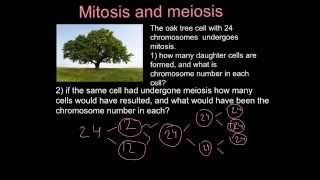 17:08
Mitosis and meiosis
-
 14:48
Haplodyploidy in honeybees
-
 7:12
Single stranded DNA
-
 4:51
How message RNA is read: duplets, triplets or tetraplets?
-
 4:11
Gregor Mendel, questions and facts
-
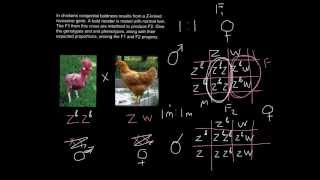 8:21
Сongenital baldness inheritance in birds ZZ/ZW