Preparing Your Disaster Kit
208 views · Published 21 January 2017 · 4:09 · Indexed 27 September 2026
Channel: Life The Basic Manual · 2017 · Education
What I Learned From The Christchurch Quakes

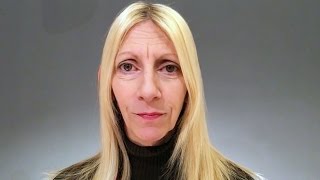
Lib Edmonds is a resident of Christchurch, New Zealand - a city that happens to sit atop one of the most geologically active regions of the world. She and her family went through the major quakes of 2010 and 2011 - and have recently experienced another. This clip is her ‘expert by experience’ perspective on preparing your disaster kit.

Key to this preparation is the quality of situational awareness. When the new quake hit, Lib and her partner Sue went back to investigate how well their kit from 2011 had stood the test of time. Much of it hadn’t.

So one of Lib’s most important points is that if you live in a potential disaster zone, stay current with your preparations. She and her loved ones have a pre-arranged and agreed plan of action if the worst happens - to rendezvous at home if possible. Arrangements left to the time of crisis itself are likely to fail - as most means of communication, such as phones and electronic devices, will probably fail.

Lib also makes the excellent point that if a quake or other disaster hits, cashpoints and gas stations may not be functioning. Have cash on hand, and allow for the fact you may not have the fuel to drive your car.

Some of the key elements of Lib’s disaster package are a good first aid kit, a gas cooker, a saucepan with a lid for heating water, a frying pan, water, toilet paper and plastic bags for disposing of waste, coffee, and non-perishable food items, tissues, torches, hand sanitisers, matches, toothbrushes and toothpaste, batteries and blankets.

It’s very easy to underestimate our needs for water, so be as generous as you can in your planning for your daily water allowance.

If you need any prescription medication, you may want to plan ahead for what you would do in the absence of pharmacies being open.

Uncertainty is one of the critical factors in any disaster zone. If the infrastructure of your city or country is particularly badly hit, you may need to think through longer-term as well as short-term plans.

Lib suggests that one of the most important attitudes any of us can bring to a disaster zone is a desire to be of help to those around us - in our street, our community and our country. New Zealand has been deeply impacted by its experience of earthquakes, and out of this difficult legacy has been born a strong national sense of what resilience really looks like in practice. The highly-regarded ‘Alrighty’ public health campaign is a good example of how looking out for each other can lessen the traumatic burden of individual shock by a strong collective commitment to dealing with disaster in a unified way.


SUBSCRIBE FOR MORE VIDEOS
https://www.youtube.com/c/lifethebasicmanual?sub_confirmation=1

FIND LIFE THE BASIC MANUAL HERE
http://lifethebasicmanual.com
http://www.facebook.com/lifethebasicmanual
http://instagram.com/lifethebasicmanual
http://twitter.com/BasicManual