Helping A Loved One Deal With Addiction
163 views · Published 14 July 2017 · 7:08 · Indexed 28 October 2026
Channel: Life The Basic Manual · 2017 · Education
One of the most stressful and difficult experiences many people encounter is coping with a loved one’s addiction. When that person is a family member, it can feel overwhelming. If you are in this position, this video has been recorded for you.

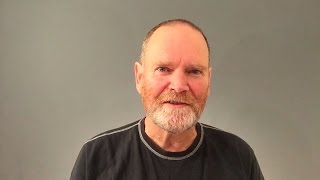
Alvin Elliott is a person in long-term recovery. For the past thirty-one years, he’s worked an active program of recovery and has remained abstinent from all mind-altering substances, including alcohol.  He is also a professional working in the field of addiction, at the flagship facility, Las Vegas Recovery Centre.

Alvin draws on his personal and professional experience to make five initial suggestions to anyone facing the challenges of an addicted loved one or friend.

Firstly, try and couch discussion of the problem in health, not moral, terms. The addicted person is highly likely to already be feeling the shame and stigma of their condition.  Blame and admonishment are unlikely to do more than create resistance or provoke a defensive response. There’s good science underlying the paradigm of addiction as a health, not moral, issue. So when you initiate discussion of the situation, adopting this perspective can be enormously helpful.

Secondly, whatever plan of action you come with, bear in mind that your addicted loved one may be much more impaired than they seem. They may not be able to follow through on an intention to get to a self-help meeting or find a treatment facility. Be as proactive as you can in both helping them plan, and carry out that plan.

Related to that point, however, is Alvin’s third suggestion. Don’t work harder than them. You cannot force someone to recover, and the process requires their active participation to match yours.

Alvin’s fourth insight is that it is very important you get help and support for yourself. Many parents or spouses or children of addicts feel like they must always be the strong one, the one that doesn't break under pressure. But the fact is, recognising that this situation has harmed you too, and getting what you need to deal with that, actually means you are in a better position to help your addicted loved one.

Finally, Alvin counsels that you try your best to avoid self-blame. Addiction can be a terrible disease and one that kills. Adding to your already high levels of anxiety and emotional pain the unbearable weight of responsibility for an outcome you cannot command will not help you, or them. Recognise that you can be part of the solution, but you cannot dictate what happens next.

If you want to know more about Alvin’s work, or that of the Las Vegas Recovery Center, further information is available at  https:/ www.lasvegasrecovery.com


SUBSCRIBE FOR MORE VIDEOS
https://www.youtube.com/c/lifethebasicmanual?sub_confirmation=1

FIND LIFE THE BASIC MANUAL HERE
http://lifethebasicmanual.com
http://www.facebook.com/lifethebasicmanual
http://instagram.com/lifethebasicmanual
http://twitter.com/BasicManual