Why Is Recovery Advocacy Important? - Stuart Smith
251 views · Published 18 October 2018 · 6:17 · Indexed 26 October 2026
Channel: Life The Basic Manual · 2018 · Education
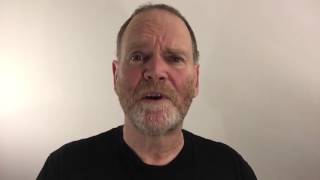
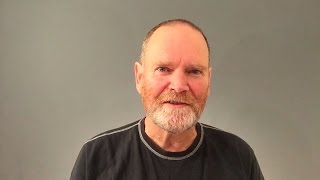
The global mortality toll of addiction yearly is impossible to calculate accurately. Many countries simply don’t count addiction deaths; it is a topic viewed as too shameful or contemptible to measure. But the USA does count addiction deaths, and in 2018, there were 350 deaths daily from overdose. This stark, terrible toll is at least part of what makes recovery advocacy such an urgent task. In this important and inspiring short film, Stuart Smith makes a persuasive case that those in recovery need to start finding their voices to demand change - now.

Stuart argues that when we remain silent, we allow others to define us. Addiction commentators and experts are plentiful, but what is often missing from the debates on addiction is the voices of those who’ve survived the hell of using and found a new way to live. There is no doubt that people in recovery are ‘expert by experience’ - they don’t just have an opinion on what works, they themselves are living proof that people can, and do, recover. From the early ‘wellness circles’ among Native Americans to the Oxford movement and onward to AA, NA and many other self-help organisations, there is ample evidence that those in recovery are uniquely well-placed to help those still in active addiction.

Anonymity is a core principle of most 12 Step groups, but it is also much misunderstood. Anonymous is not the same as secret. The founder of AA, Bill Wilson, was clear on this and encouraged ‘AAers’ as he called them to be active in their communities and wider society in getting the recovery perspective heard. It is completely possible to be a recovery advocate and to be anonymous about what means you choose to recover.

If you’re asking yourself what you can do to be a recovery advocate, Stuart urges you to get involved with recovery organisations at any level you can - local, regional, national, and start demanding you are heard. Begin to organise with other recovering people, communicate with the emergent network of recovery advocacy organisations, and make sure you take your opportunity to be a part of the solution. Chances are, if you survived your active addiction and are alive to read this, someone made the effort necessary to ensure there was a solution waiting for you when you were ready for recovery.
And if not now, then when? And if not you, then who?


Stuart Smith is a founding board member for the FFR (Foundation For Recovery), and CEO of the parent company of LVRC (Las Vegas Recovery Center) and CRP (Central Recovery Press). He is a passionate recovery advocate and a respected treatment professional. He is also a long-term, and engaged, member of the recovery organisation that has been his recovery pathway since 1983. For more on the work of these organisations, please see the links below.

For information on FFR, please see https:/www.forrecovery.org

For information on LVRC, and their family and inpatient programs, please see https://www.lasvegasrecovery.com


For information about the work of CRP, please see: https://www.centralrecoverypress.com


SUBSCRIBE FOR MORE VIDEOS
https://www.youtube.com/c/lifethebasicmanual?sub_confirmation=1

FIND LIFE THE BASIC MANUAL HERE
http://lifethebasicmanual.com
http://www.facebook.com/lifethebasicmanual
http://instagram.com/lifethebasicmanual
http://twitter.com/BasicManual