How To Cope With A Family Member In Long-Term Pain
90 views · Published 27 June 2017 · 5:39 · Indexed 20 October 2026
Channel: Life The Basic Manual · 2017 · Education
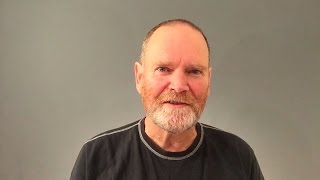
Alvin Elliott is a person in long-term recovery. For the past thirty-one years, he’s worked an active program of recovery and has remained abstinent from all mind-altering substances, including alcohol.  He is also a professional working in the field of addiction.

In this film, Alvin shares with us some of the skills he’s learnt from having a family member who has issues with long-term pain. For a recovering addict to deal with pain, or to cope with a loved one who needs to take pain medication, there are real challenges involved.

Alvin is speaking from a personal perspective and suggests that the viewer does their own research on the risks, and potential effectiveness or otherwise, of any regime designed to deal with pain. He reminds us that pain is an intensely personal and subjective phenomenon and that we quite literally cannot know another person’s level of pain.

For Alvin, the starting point must always be compassion. He brings to bear the spiritual principles of acceptance, and he brings an open mind to the situation. He regards the situation that he is involved with as a collaborative one. He finds that discussion, being present to witness and share his loved one’s struggle, and above all, a realistic and informed point of view, are critical coping skills.

Alvin also reminds us that while healthcare professionals can help us and our loved ones, ultimate responsibility for our own health rests with each individual. Managing pain with potentially addictive substances has a greater level of risk involved for the recovering person than it does for a person who has never been dependant on drugs. Over and over again, recovering addicts have faced the dilemma presented by acute and chronic pain, and there is now a body of research and experience to call upon in making our decisions.

Do the work, Alvin urges. Educate yourself on the conditions you or your loved one face, and make informed, realistic choices that can balance the management of pain with the maintenance of recovery.

Alvin also makes the point that he recognises that ultimately, he cannot control the destiny of another human being. Understanding this helps him find a place of acceptance within the support he offers his loved one.

If you want to know more about Alvin’s work or that of the Las Vegas Recovery Center, further information is available at  https:/ www.lasvegasrecovery.com


SUBSCRIBE FOR MORE VIDEOS
https://www.youtube.com/c/lifethebasicmanual?sub_confirmation=1

FIND LIFE THE BASIC MANUAL HERE
http://lifethebasicmanual.com
http://www.facebook.com/lifethebasicmanual
http://instagram.com/lifethebasicmanual
http://twitter.com/BasicManual